
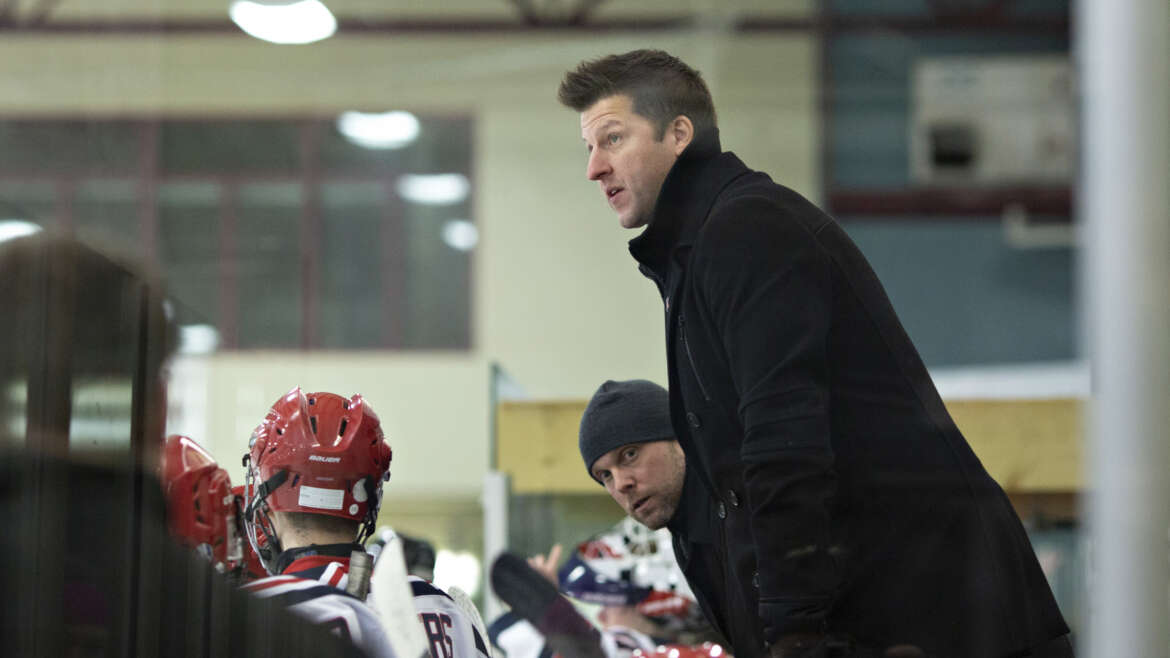
In our program, we place a lot of importance on each athlete’s role within our team and how every single one is crucial to our success. At the start of each season, we sit down with the players individually and go over the role they will be playing (to start the year). We also explain to them that their role will be dynamic, meaning it will change during the year. It is essential to start on the right foot and explain it as clearly as possible. We do this knowing that 80-85% of the players will be asked to play roles that would not be their first pick. There’s only one #1 center on any given hockey team, one or two power-play quarterbacks, one starting goalie, etc. These more “prestigious” roles represent only 10-15% of the team’s total roles. We constantly emphasize the value of EACH one of the roles, no matter the extent of them, and to win a championship, every function needs to be filled to the best of the chosen player’s ability. The common public opinion is that some players are more important than others, but our athletes need to realize that even the smallest of roles are valuable in the grand scheme of things.
We always hear “accept your role”, but as an organization, we feel this statement is missing something important. How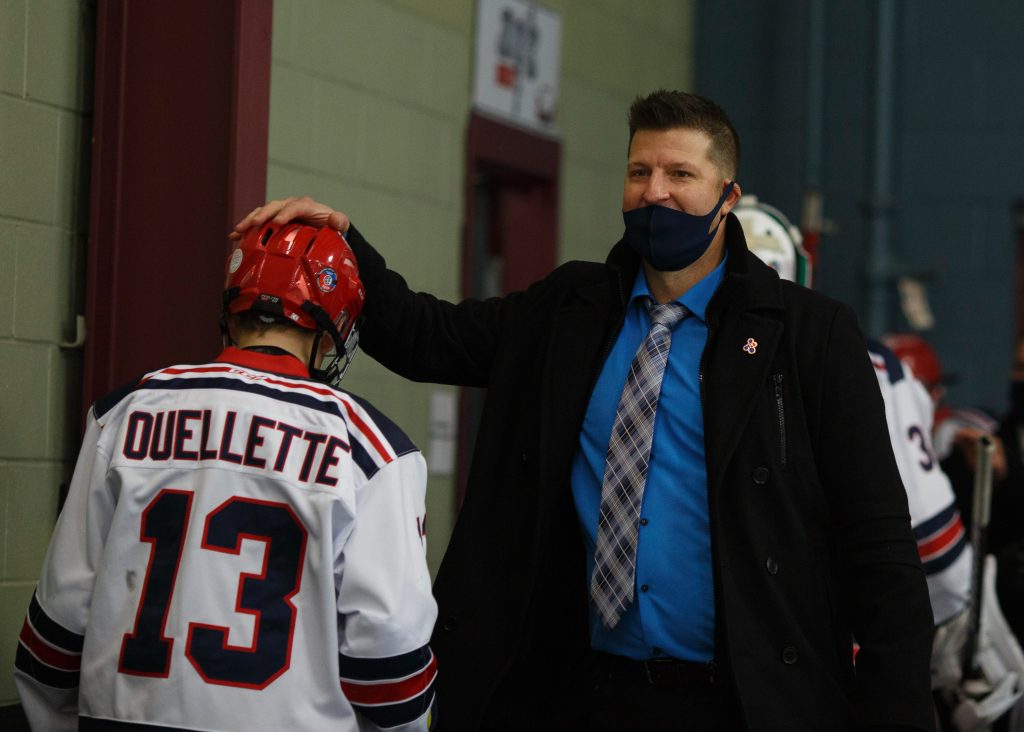 can you accept a role if it’s not clear to you what it is? As much as a big part of the responsibility rests on the coaching staff to communicate efficiently, each player’s task is to make sure he has no doubts on what role he’s expected to fill. Instead of using the coin phrase “accept your role”, we like to use “make sure you know your role”. This way of thinking means if a player is unsure, he needs to approach a coach and ask the question, “what is my role now?”. This approach is crucial because the roles will probably change every week. Injuries, performance, and discipline will contribute to having a steady mix and match of roles within a team.
Notre personnel d'entraîneurs aime utiliser l'analogie du casse-tête, où chaque membre de l'équipe représente une pièce spécifique du casse-tête. La responsabilité des entraîneurs est de rassembler et positionner les pièces au bon endroit, alors que la responsabilité des joueurs est de savoir quelle pièce du casse-tête ils représentent. Toutes les pièces ont des formes différentes mais sont de la même taille donc de valeur égale pour l'équipe. Les meilleurs joueurs peuvent essayer de toutes leurs forces de remplir les responsabilités des autres joueurs, mais cela réduira leur efficacité dans leurs propres fonctions. C'est la preuve claire que tous les membres de notre équipe sont aussi précieux les uns que les autres ! Comme on dit, une chaîne est aussi forte que son maillon le plus faible, donc chaque maillon est aussi important que l'autre. Nous ne pouvons pas assumer cette vision des chaoses ; nous devons le communiquer pour un meilleur engagement et une meilleure chance de réussir. Chaque joueur ne doit pas seulement être valorisé, mais doit se SENTIR valorisé.
Puisqu'il est difficile d'engager pleinement les athlètes ayant des plus petits rôles, plusieurs entraîneurs ne valorise pas cette façon de faire ; nous verrons souvent les équipes, où chaque joueur est très apprécié, réussir.

 Français du Canada
  English (Canada)